
sandblast frosted glass
The Role of Gate Valves in Plumbing Systems Gate valves are essential components in plumbing systems, serving the crucial purpose of controlling the flow of fluids in pipelines. These valves are designed to either allow or block the passage of water, making them fundamental to the efficient operation of residential, commercial, and industrial plumbing installations. Understanding gate valves, their types, and their applications can help homeowners and plumbing professionals alike make informed decisions regarding their plumbing systems. What is a Gate Valve? A gate valve is a type of linear valve that operates by raising or lowering a gate (or wedge) within the valve body. This mechanism allows for full flow when the valve is open and complete blockage when closed. Gate valves are typically used in applications where minimal pressure drop and low turbulence in the pipeline are required, making them ideal for on/off service rather than flow regulation. Types of Gate Valves There are several types of gate valves used in plumbing systems, each designed for specific applications 1. Rising Stem Gate Valves In these valves, the stem rises as the valve opens, making it easy to visually indicate the valve’s position. This type is commonly used in water supply lines. 2. Non-Rising Stem Gate Valves Ideal for installations with limited vertical space, these valves feature a stem that turns without rising, making them a practical choice for underground or confined spaces. 3. Wedge Gate Valves These valves use a wedge-shaped gate that fits tightly against the valve seat when closed, creating a seal that minimizes leaks. They are widely used in water and sewage applications. 4. Parallel Gate Valves Utilizing a parallel plate, these valves offer minimal throttling when partially open. They are often found in larger pipelines where precise flow control is necessary. Advantages of Gate Valves Gate valves offer several advantages that make them a popular choice in plumbing systems - Low Resistance to Flow When fully open, gate valves provide a straight-line flow path, resulting in minimal pressure drop. This is particularly beneficial in large diameter pipes where high flow rates are required. gate valve in plumbing - Durability Gate valves are known for their robust construction, which can effectively withstand high pressure and temperature variations, making them suitable for various applications. - Simplicity The design of gate valves is straightforward, consisting mostly of a body, gate, stem, and a handle. This simplicity translates into easy operation and maintenance. - Cost-Effective Generally, gate valves are less expensive than other types of valves, especially when high volume flow control is required without pressure regulation. Limitations of Gate Valves Despite their advantages, gate valves do come with certain limitations. They are not ideal for applications requiring frequent adjustments to flow. For example, if you need to throttle or control the flow rate, a globe valve might be a better option. Additionally, due to the design, gate valves can be susceptible to wear and tear over time, especially if they are not regularly operated. Applications of Gate Valves Gate valves find their applications in various areas - Water Supply Systems Used to control the flow of water from municipal sources to individual homes or businesses. - Fire Protection Systems Critical in controlling water flow for fire suppression systems, ensuring that water can be quickly accessible when needed. - Industrial Applications Utilized in manufacturing plants, chemical processing, and oil and gas operations where large flows of liquid need to be managed. Conclusion In conclusion, gate valves play a pivotal role in plumbing systems by providing reliable and efficient control of fluid flow. Their robust design, simplicity, and effectiveness in minimizing pressure loss make them a preferred choice in many applications. However, understanding their limitations and suitable uses is essential for optimal plumbing performance. As plumbing technology advances, gate valves continue to adapt, ensuring their relevance in modern piping systems while contributing to improved efficiency and reliability.
about
sandblast frosted glass
Understanding Snap Gauges An Essential Tool for Precision Measurement In the world of manufacturing and engineering, precision is paramount. Tools and instruments that facilitate accurate measurements are critical in maintaining the quality and integrity of products. One such instrument that has gained prominence in various industries is the snap gauge. This article explores what snap gauges are, how they work, their applications, and their advantages in ensuring accurate manufacturing processes. A snap gauge, often referred to as a snap gauge or gauge block, is a measuring tool used to assess the dimensions of an object. Generally, it comprises two arms that can be opened and closed to ‘snap’ around the object being measured. When the arms come together, they indicate the dimension of the object selected between them. The simplicity of this tool contrasts with its effectiveness, making it a vital component in various quality control processes. How Snap Gauges Work The operation of a snap gauge is relatively straightforward. The gauge features two measuring surfaces that are designed to be exact. The user positions the gauge around the workpiece, ensuring that both measuring jaws come into contact with the object. Once the arms have snapped together, the user can read the measurement directly from a calibrated scale on the gauge or use a digital display, depending on the design of the snap gauge. Snap gauges are available in different types and designs, including fixed, adjustable, and electronic versions. Fixed gauges are used for specific measurements, while adjustable ones allow for a range of measurements by altering the distance between the jaws. Electronic snap gauges provide digital readouts, enhancing accuracy and ease of reading. Applications of Snap Gauges Snap gauges find applications across many industries, including automotive, aerospace, manufacturing, and electronics. They are used for measuring the external dimensions of objects, such as diameters and thicknesses, and can also verify the tolerances of machined parts. For example, in the automotive industry, snap gauges ensure that critical components fit together correctly, which is essential for safety and performance . In aerospace, they help maintain rigorous standards where even minute variances can lead to catastrophic failures. snap gauge Moreover, snap gauges are invaluable in research and development environments. When designing new components, accurate measurements are crucial for testing prototypes and validating designs against specifications. The ability to measure quickly and accurately is a significant advantage when time and resources are limited. Advantages of Using Snap Gauges One of the primary advantages of snap gauges is their simplicity. They are easy to use, making them accessible even for those who might not be experts in measurement techniques. This user-friendliness contributes to faster workflows and reduces the likelihood of measurement errors. Furthermore, snap gauges are highly portable and can be used in various environments, from factory floors to laboratories. Their robust construction ensures longevity, which translates into cost effectiveness over time. In addition, many snap gauges can be calibrated, which is essential for maintaining accuracy over repeated use. The ability to provide instantaneous results is another notable benefit. Unlike some measurement tools that require complex calculations or additional steps, snap gauges deliver immediate feedback, allowing for quick decision-making during manufacturing processes. Conclusion In summary, snap gauges are an essential tool in the realm of precision measurement. Their straightforward design, ease of use, and wide-ranging applications make them indispensable in ensuring product quality across various industries. As manufacturing processes continue to evolve and demand for accuracy increases, snap gauges will remain a reliable and valuable resource for engineers and manufacturers alike. With continuous advancements in technology, the future of snap gauges looks promising, further enhancing their role in the pursuit of precision and quality in manufacturing.
-

High quality industrial productsagement

High quality industrial products
View Details -

Meet the diverse needs of customers

Meet the diverse needs of customers
View Details -

Strict quality control

Strict quality control
View Details -

Top raw materials

Top raw materials
View Details -

Trusted supplier

Trusted supplier
View Details
Our application


news and information
Y-Shaped Strainer for Efficient Liquid Filtration Solutions
y shaped strainer .
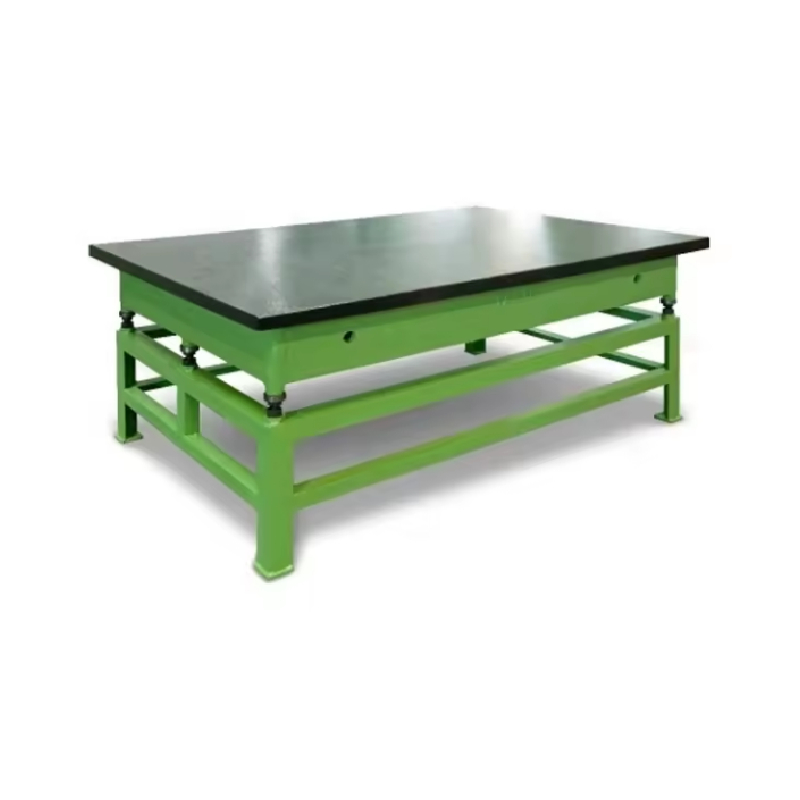
Water Pressure Regulation Valve for Efficient Flow Control in Hydraulic Systems
Understanding Water Pressure Control Valves Water pressure control valves are essential components i
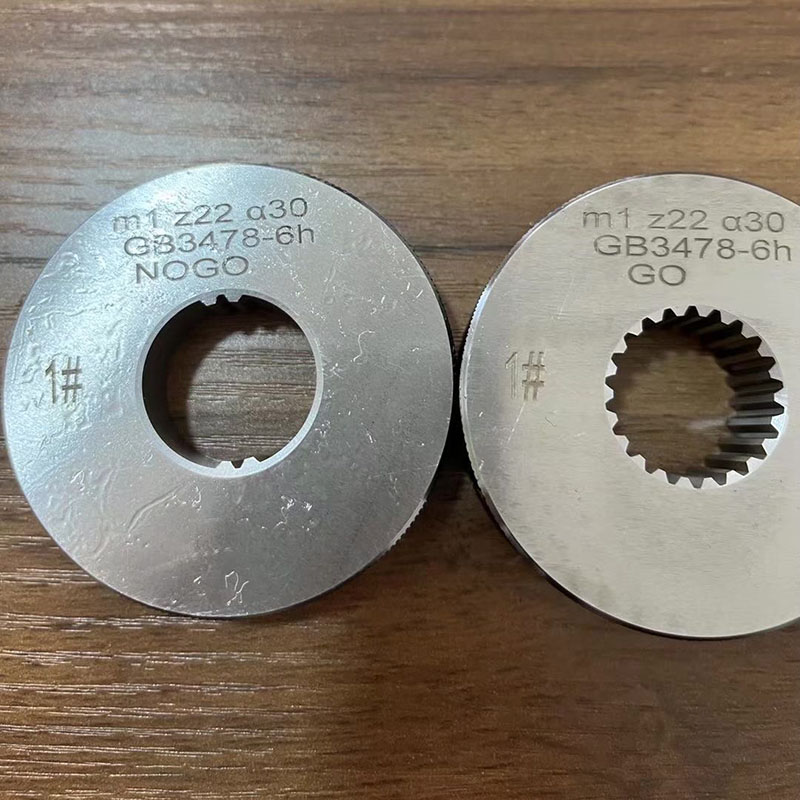
Vibrationspads
Vibrationsdämpfer Die Bedeutung von Vibrationspads in verschiedenen Anwendungen In der heutigen Welt
 English